
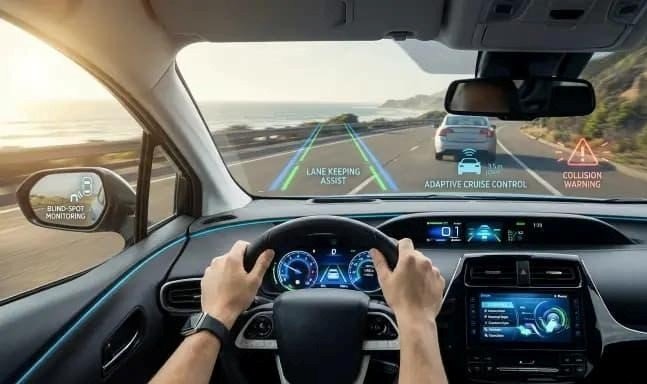
Buying a new car often means choosing between a lower price and a package of safety technology that adds hundreds or thousands of dollars. Advanced driver assistance systems can help prevent certain collisions and make busy roads less stressful. Yet every feature deserves a closer look before paying extra.
Some provide meaningful help during everyday driving, whereas others may offer limited value for particular drivers. The sensible choice depends on driving habits, road conditions, vehicle cost, and how reliably each system works.
What Makes Certain Driver Assistance Features Worth the Money?
The value of advanced driver assistance systems depends on the problems they help drivers handle. A system that warns about a vehicle hidden beside the rear quarter panel may help during daily commutes, while a parking camera can be useful in tight garages.
Three questions can guide the purchase:
- Does the feature help prevent a common driving mistake?
- Can the driver understand its warnings without confusion?
- Will the system remain useful on familiar routes and during longer trips?
Safety technology earns its price when it addresses a genuine driving need rather than simply adding another icon to the dashboard.
Automatic Emergency Braking Deserves High Priority
Automatic emergency braking can detect an approaching collision and apply the brakes if the driver fails to respond in time. Depending on the vehicle, the system may recognize cars, pedestrians, cyclists, or other obstacles.
This feature deserves serious attention for urban commuters and families who regularly drive through crowded streets. Sudden stops happen near school crossings, intersections, and traffic queues, where a moment of distraction can have serious consequences.
Blind Spot Monitoring Helps During Lane Changes
Changing lanes on a busy highway can be difficult when another vehicle travels just outside the side mirrors. Blind spot monitoring warns drivers when a vehicle occupies an area that may be difficult to see.
The warning usually appears in a side mirror or nearby indicator, with some vehicles adding an audible alert when the driver signals a lane change.
This feature deserves attention from highway commuters, drivers of larger vehicles, and anyone who frequently travels on multi-lane roads. Check the warning’s visibility in daylight and at night, and test whether the system reacts appropriately to motorcycles.
Adaptive Cruise Control Makes Long Trips Easier
Adaptive cruise control maintains a selected speed and adjusts it to keep a set distance from traffic ahead. Some versions can slow the vehicle to a stop and resume driving in congestion.
Drivers who regularly travel on interstates may appreciate the reduced need to adjust speed manually. It can make a long journey less tiring, though the driver must continue watching the road and remain ready to brake.
Check whether the system works at low speeds, how smoothly it responds to sudden braking ahead, and whether its distance settings suit personal driving preferences.
Lane Keeping Assistance Can Help on Highways
Lane guidance systems can warn drivers when a vehicle drifts out of its lane without signaling. Some versions apply gentle steering corrections, whereas others only provide an alert.
This technology may help during long drives, particularly when road markings are clear and fatigue begins to affect concentration. It cannot compensate for poor visibility, damaged road markings, or a driver who stops paying attention.
Test the steering response before buying. Some drivers appreciate a gentle correction, whereas others find repeated steering inputs irritating on narrow roads or routes with frequent bends.
Rear Cross-Traffic Alerts Help in Parking Lots
Backing out of a parking space can be difficult when parked vehicles block the view of approaching traffic. Rear cross-traffic alerts warn drivers about vehicles approaching from either side behind the car.
This feature can be especially useful in shopping center parking lots, crowded residential areas, and garages with limited visibility. Some systems detect pedestrians or cyclists, though coverage varies between vehicles.
Which Other Safety Features Deserve Attention?
Several additional systems can be useful, depending on where and how a car is driven. A forward collision warning can alert drivers to an approaching hazard, while rear automatic braking may help prevent certain low-speed impacts.
The following features deserve a closer look during a test drive:
- Rear automatic braking: Helpful for drivers who frequently park near walls, posts, or other vehicles.
- Traffic sign recognition: Can display detected speed limits, though signs may be missed or read incorrectly.
- Driver attention monitoring: May warn when signs of inattention appear, but it cannot reliably judge every instance of fatigue.
- Surround-view cameras: Useful for judging the vehicle’s position in narrow garages and tight parking spaces.
Choose based on common driving situations rather than the length of the equipment list. A feature used every day may offer more value than one rarely activated.
How Much Should You Pay for Advanced Driver Assistance Systems?
The price difference between two otherwise similar vehicles can make optional safety packages difficult to judge. A package costing several hundred dollars may be worthwhile if it includes useful collision prevention and visibility features. A much more expensive package needs closer scrutiny.
Compare the manufacturer’s individual feature list rather than relying on labels such as premium safety or driver assistance. Check whether a feature comes standard on another trim, and find out whether the package includes equipment that would otherwise be purchased separately.
Check How the Systems Behave in Everyday Driving
A specification sheet cannot show how a warning sounds, how sensitive a sensor feels, or whether steering assistance suits a particular driver. A proper test drive can answer several of those questions.
Try the following checks with a salesperson or trained representative:
- Test warning visibility and volume in daylight.
- Check whether steering corrections feel predictable on a clearly marked road.
- Ask how rain, fog, dirt, and direct sunlight affect sensor performance.
- Find out whether the vehicle displays a warning when a sensor becomes unavailable.
- Review the owner’s manual before changing alert sensitivity or assistance settings.
Never create a dangerous situation to test collision prevention. Ask the dealer for a demonstration in a controlled setting if a particular function needs closer inspection.
Conclusion: Spend on Safety That Matches Your Driving
The best advanced driver assistance systems are those that address the risks encountered on ordinary journeys. Paying for ADAS makes sense when the equipment works reliably, feels comfortable to use, and suits the roads driven most often. Take a test drive, compare safety ratings, and check repair costs before choosing a package. A sensible purchase puts practical safety ahead of an impressive equipment list.
FAQs
Can driver assistance technology work properly in heavy rain?
Heavy rain can obstruct cameras, interfere with sensor readings, and hide lane markings. Check the owner’s manual for system limitations, and remain prepared to drive without assistance.
Do aftermarket systems offer the same protection as factory-installed equipment?
Aftermarket products vary in quality, installation requirements, and vehicle compatibility. Ask a qualified installer about independent testing, warning accuracy, and whether installation affects the vehicle’s warranty.
Can advanced driver assistance systems increase insurance premiums?
Insurance costs depend on the vehicle, insurer, location, and policy terms. Ask your insurer whether specific safety equipment qualifies for a discount before using potential savings to justify a purchase.
How can drivers tell whether ADAS features are working correctly?
Check the dashboard for warning messages, follow the manufacturer’s inspection schedule, and arrange professional diagnostics after sensor damage. Never assume a silent system is functioning correctly without checking its status.
Can lane keeping assist be switched off for narrow roads?
Many vehicles allow drivers to adjust or disable steering assistance through vehicle settings. Check the owner’s manual for the available controls, and learn how to restore the preferred setting safely.